

Is it time to get help?
All kids worry sometimes. Think about four things:
Intensity
Is the fear bigger than you'd expect for their age and the situation?
Frequency
Does it happen most days, or nearly every time they face the situation?
Interference
Is it getting in the way of school, friends, sleep, or family life?
Duration
Has it lasted more than a few months, even through breaks and calmer times?
If you answered yes to several, it's worth talking with a professional. The Symptom Checker can help you sort out what you're seeing.
CBT with exposure
Cognitive behavioral therapy (CBT) is the best-studied treatment for anxiety and OCD in children and teens. It is short-term, usually about 12 to 20 weekly sessions, and focused on skills. CBT works on three parts of anxiety:
- Body: noticing signs of worry and calming down
- Thoughts: catching worried thoughts and building coping thoughts
- Actions: practicing facing feared situations step by step, called exposure

Exposure is the most important ingredient. Kids build a practice ladder of challenges, start with easier steps, and work up. For OCD, this is called exposure and response prevention (ERP): practicing facing triggers without doing the compulsion. Parents are coaches, helping with practice at home and learning how to respond to anxiety.
Our free Practice Ladder Builder shows what this looks like in practice.
Parent-based options

For younger children, or when a child won't take part in therapy, treatment can work through parents. Parent-focused programs teach parents to respond to anxiety with support and confidence and to cut back on accommodation. Research has found that parent-only programs can help as much as child CBT for some families.
Online programs
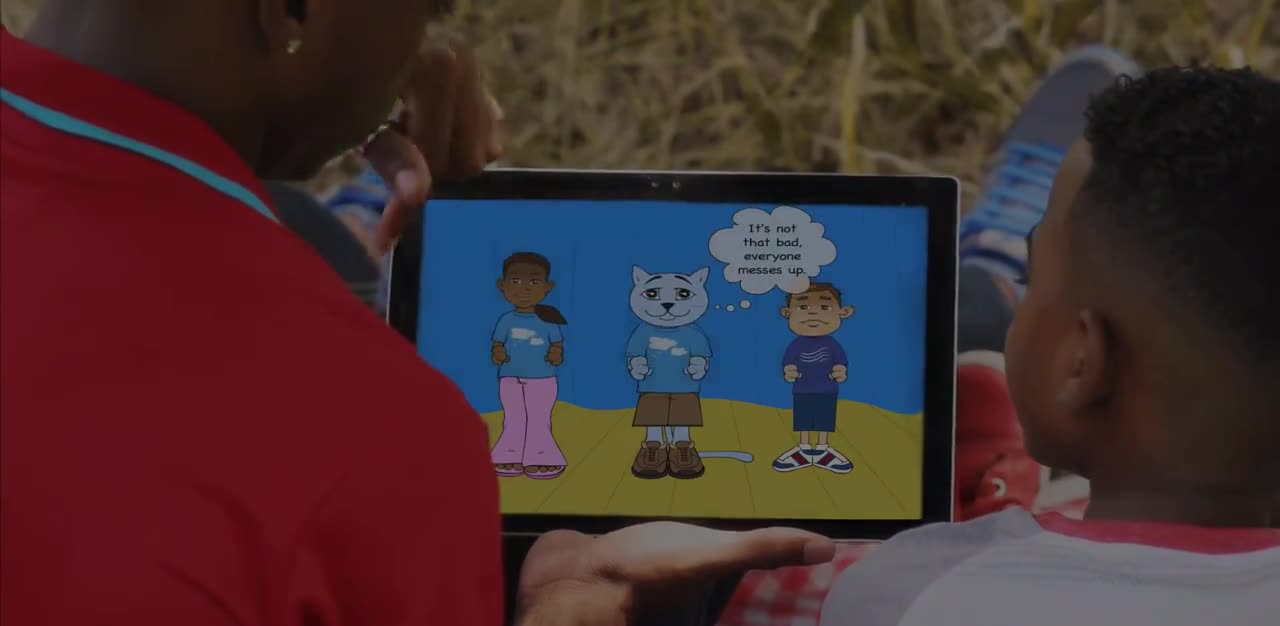
Camp Cope-A-Lot is an online CBT program for kids 7 to 13, based on Coping Cat, done with a parent or provider as coach. Child Anxiety Tales is an online program for parents. They can be a first step, a way to practice between sessions, or an option when therapy is hard to find. See programs and pricing.
Medication
SSRI medications can help with anxiety and OCD in young people, especially when symptoms are moderate to severe. In the NIH-funded Child/Adolescent Anxiety Multimodal Study (CAMS), published in the New England Journal of Medicine in 2008, CBT (using Coping Cat) and sertraline each helped, and the combination helped most.
Medication should be prescribed and monitored by a doctor with experience treating children, ideally a child psychiatrist. SSRIs carry an FDA warning about a small increase in suicidal thoughts in some young people, so regular check-ins are important. Ask the prescriber about benefits, side effects, and how progress will be tracked, and make sure the prescriber and therapist talk with each other.
Where care happens

- Weekly outpatient therapy is right for most kids.
- Video sessions can work well for many families, and let kids practice exposures at home where the worry happens.
- Intensive programs (several sessions a week) can help when symptoms are severe or weekly therapy hasn't been enough.
- School supports, such as a 504 plan, can help a child practice at school with the right accommodations and a plan to reduce them over time.
Questions to ask a therapist
- Does your treatment include exposure (or ERP for OCD)? The answer should be yes.
- How much experience do you have treating children and teens with anxiety or OCD?
- Are you licensed? What specialized training do you have in CBT?
- What are the goals, and about how many sessions do you expect?
- How will parents be involved?
- How will we measure progress?
Finding help
Get treatment with our team
The OCD & Anxiety Institute, founded by Dr. Muniya Khanna, offers evaluation and CBT with exposure for kids, teens, and young adults with anxiety and OCD, in person in Berwyn, PA and by video across Pennsylvania.
Find a provider
Looking for care in person or outside of Pennsylvania? Start with a directory below.
 Referral NetworkCoping Cat trained clinicians worldwideSearch by location or specialtyFind a clinician →
If you are unable to find a treatment provider through these or other websites, you can:
- Contact the psychiatry department at a local medical school or a university psychology department.
- Contact your county mental health department, a local hospital, or a community mental health center and ask about mental health clinics or staff psychiatrists.
- Search through your insurance company for local behavioral health or psychiatry providers.
- Search the American Psychological Association provider database.
Disclaimer: We do not endorse the references or providers listed. We list available resources as a service.